Free checklist ยท Return to sport

Return to sport
checklist.

Pain-free is not the same as ready. Use this to check strength, hop tests, movement, confidence and training load before you go back. Print it, take it to your physio, or hand it to your coach.

How to use it

A tool, not a test.

Go through the six areas as a prompt for the right questions. If any area looks like a gap, talk to your physio, surgeon or doctor before you go back, whatever the calendar says.

General information only. This checklist is an educational tool, not a medical assessment, test or clearance, and it cannot tell you whether you are ready to return to sport. The reference points are commonly used in research and practice, not pass marks, and they vary with the injury, the sport, your age and the plan from your surgeon or treating clinician. Talk to your doctor, surgeon or physio before returning from any significant injury.

0 of 0 ticked

01

Pain and swelling

The baseline. If these are not settled, nothing below matters yet.

02

Strength, measured

Measured with a device or a repeatable test is more reliable than judging by eye or by feel.

03

Hop tests and movement quality

Compare every result with the other leg as a percentage. That figure is the limb symmetry index.

04

Sport and fatigue

Sport is reactive and played tired. A test done fresh and planned does not show you that.

05

Confidence

Fear of re-injury is a risk factor in its own right, even when the body tests well.

06

The return plan

Return is a process over weeks, not a single day. This is the part most people skip.

General information only. This checklist is an educational tool, not a medical assessment, test or clearance, and it cannot tell you whether you are ready to return to sport. The reference points are commonly used in research and practice, not pass marks, and they vary with the injury, the sport, your age and the plan from your surgeon or treating clinician. Talk to your doctor, surgeon or physio before returning from any significant injury.

Stop and get assessed

Signs it is going wrong.

Sharp pain, swelling that returns, the area giving way, pain that wakes you at night, or movement that gets worse as you tire. Dial the intensity back and get it looked at before the next session.

After a fall or a hard knock, if you cannot put weight on the leg, go to hospital.

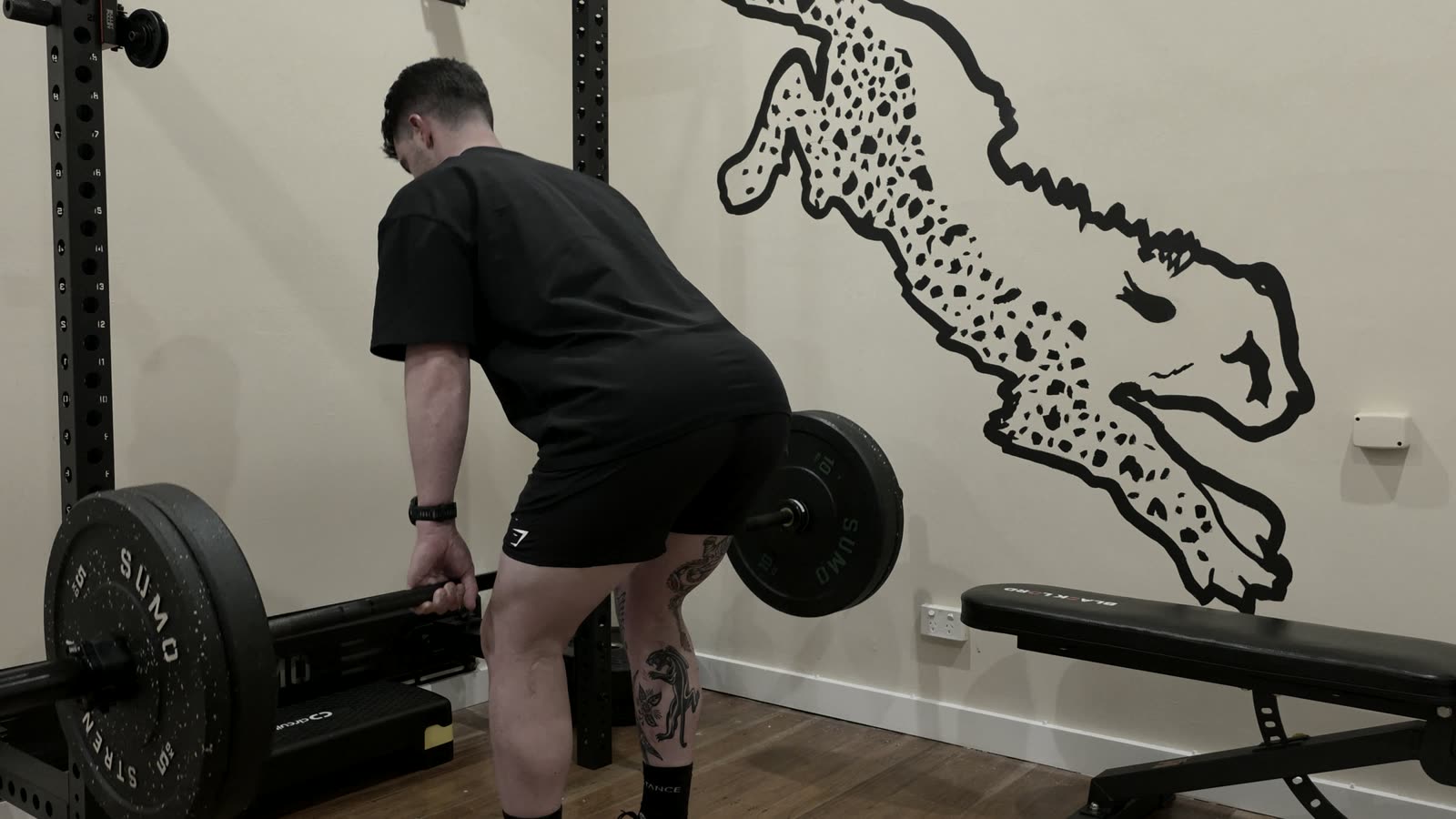
A barbell hip hinge in the rehab room at Feel Good Physio Co., Hampstead Gardens
Why I wrote this

A date is not a test.

I spent three years as an AFL trainer and seven years as a physio in semi-professional football. In those rooms, going back was decided against numbers you could measure, not against a date or how someone said they felt.

This checklist is that idea, simplified. The longer version is in cleared to play, too early?

Common questions

Before you go back.

What is a return-to-sport test? +
A set of measured checks done before you go back: strength compared with the other side, hop tests, movement quality in single-leg positions, sport drills when you are tired, and how confident you feel. The point is to decide against criteria, not a date.
What is the limb symmetry index? +
Your injured side's result as a percentage of the other side. Around ninety percent or better is a commonly used reference point. It is not a pass mark, and it can flatter you if the other side has also got weaker since the injury.
How long until I can return to sport after an injury? +
It depends on the injury and on how it responds to assessment, not on a date. A mild ankle sprain or hamstring strain can be a matter of weeks. After an ACL reconstruction it is usually many months, and your surgeon's protocol sets the minimum.
Do I need an assessment before I go back? +
For a minor niggle, not always. For a significant injury or surgery, follow the plan from your surgeon or treating clinician. Judging readiness only by how it feels is a common reason people re-injure, and a structured assessment with measured results is more reliable than a calendar or a guess.

Want this looked at properly?

A return-to-sport assessment looks at all six areas for your injury and your sport.

Book appointment